Using GenAI without losing your voice
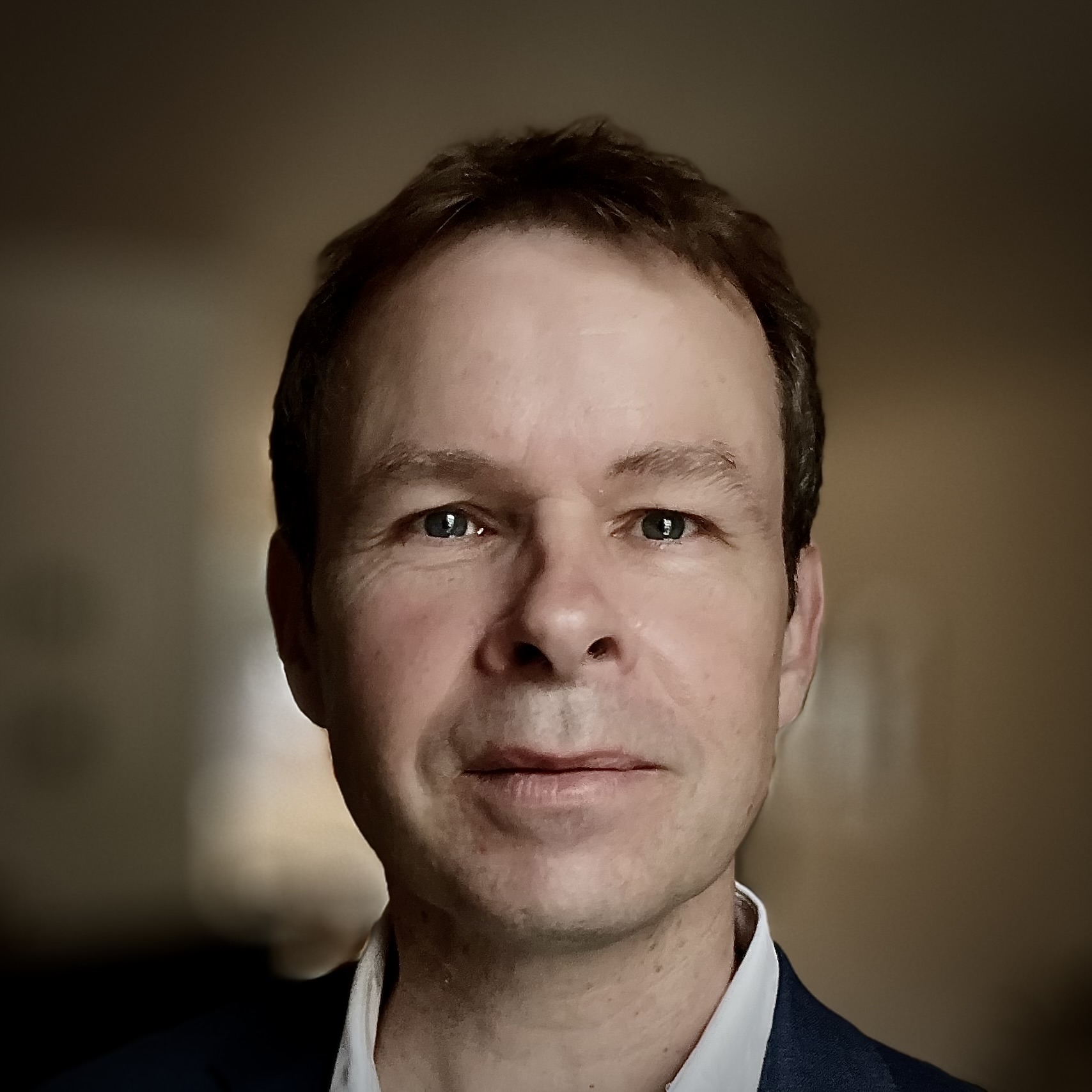
If I wanted to, I could ask AI to write a piece about my boarding school years and it would happily produce a neat, emotionally coherent narrative filled with scenes I never lived (I didn't, here is what I actually wrote), because that’s what these systems do when you ask them to conjure a story from thin air. They smooth, they complete, they embellish, and they do it with a level of confidence that can feel convincing until you notice that the voice isn’t yours and the truth has quietly slipped sideways.
So my process begins long before any typing.
Speak first, then shape
I start by dictating the idea as if I’m telling it to someone across the table, letting it wander a little and letting the phrasing arrive the way it naturally arrives, because that’s where the tone lives and that’s what makes the raw material mine. Only then do I bring AI in, not to invent the thinking, but to help me shape what I’ve already said into something readable, structured and deliberate.
This is where the value sits, at least for me. When you bring your own raw thread, the tool gives you momentum. It turns the spoken mess into scaffolding, pulls the ideas into a sequence you can react to, and reduces the friction between instinct and expression without replacing the part that actually matters, which is judgement.
The workflow I actually use
Practically, the workflow is almost embarrassingly simple.
In tools terms, I’m usually working in ChatGPT, predominantly GPT-4o and GPT-5.2 depending on the task, and occasionally I’ll sanity-check something in Gemini if I want a second angle. I also keep my Data Controls set so my chats aren’t used to improve the model, and I use Custom Instructions to lock in the basics of how I write, so the tool is shaping my thinking rather than rewriting it. The specifics matter less than the behaviour though. Whichever tool you use, the point is to keep your own voice upstream and treat the model as an editor and organiser, not as the author of your life.
I speak first, usually in one pass, and I try not to edit myself while I’m doing it because overthinking is how you lose the rhythm. I transcribe that voice note, then I ask the tool to structure it while keeping my tone intact, and I’m explicit about the rules: don’t add facts or polish the thinking, just organise what’s already there, tighten what needs tightening, and flag anything that starts to sound generic.
What comes back is rarely finished, but it’s something I can work with. I’m no longer staring at a blank page trying to force a beginning. I’m editing, shaping, cutting, choosing, which is the creative work I actually enjoy and the work humans are still better at when they’re being honest.
The same principle applies to images
The same principle applies to imagery, which is where a lot of people either get overexcited or slightly suspicious, as if describing an image to a model is somehow less legitimate than trawling stock sites for hours or nudging layers around in Photoshop until your eyes go square. For me it’s the same creative instinct expressed through a faster, more responsive tool. I describe the feeling I want, I iterate a few times, I direct it into shape, and then I stop when the image says what I meant it to say.
What changes when you work this way
Working this way changes your rhythm in subtle but important ways. Exploration becomes effortless, which makes you more curious and more willing to follow ideas you might otherwise have dismissed. Testing options becomes quick, which sharpens selectiveness rather than diluting it, because you see variations side by side and your taste has to do its job. And because the groundwork appears almost immediately, you find yourself reaching a little further, becoming quietly more ambitious with structure, tone and scale, not because the tool made you brilliant, but because it removed the drag that used to make the whole thing feel heavier than it needed to be.
After nearly three years of working like this, my process has changed completely. I write more freely. I edit more calmly. I follow ideas further because the distance between the spark and the finished piece is smaller.
The point isn’t automation, it’s judgement
This, to me, is the right way to use AI, not outsourcing your story, not borrowing a voice, not pretending generation is the same thing as thinking, but augmenting the way you already work so that the craft is still yours and the friction is lower.
You bring the idea and the honesty of what you want to say. The result isn’t artificial. It’s simply you, with fewer things in the way.